
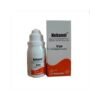
Nebanol

Roll over image to zoom in
₨ 87.00
- Generic Name: Propranolol
- Brand Name: Nebanol
- Class: Beta-blocker
- Uses: Treats high blood pressure, angina, arrhythmias, anxiety, migraines, and essential tremors
- Mechanism: Blocks beta-adrenergic receptors to reduce heart rate, lower blood pressure, and alleviate anxiety symptoms
- Dosage: Typically 40 mg twice a day for hypertension; dosage varies for other conditions
- Common Side Effects: Dizziness, fatigue, slow heart rate, cold hands/feet, gastrointestinal issues
- Precautions: Caution in asthma, COPD, diabetes, and heart conditions; taper dosage under medical supervision
- Interactions: May interact with antihypertensives, antiarrhythmics, and antidepressants
- Storage: Store in a cool, dry place, away from sunlight
- Composition & Class: Nebanol is a pharmaceutical product containing Propranolol, a non-selective beta-blocker. It is used to treat a variety of cardiovascular conditions and other health issues. Nebanol works by blocking beta-adrenergic receptors, which helps to reduce heart rate, blood pressure, and anxiety levels.
- Mechanism of Action: Propranolol in Nebanol acts by inhibiting the action of certain chemicals (like adrenaline) on beta receptors in the heart, blood vessels, and other parts of the body. This results in the dilation of blood vessels, reduced heart rate, and decreased force of heart contractions, ultimately lowering blood pressure and helping to manage symptoms of anxiety and tremors.
- Indications: Nebanol is primarily used to treat high blood pressure (hypertension), angina (chest pain), arrhythmias (irregular heartbeats), and to prevent heart attacks. It is also used to treat anxiety, particularly for short-term relief of physical symptoms such as trembling and rapid heartbeat. Additionally, Nebanol can be prescribed for conditions such as migraines and essential tremors.
- Dosage & Administration: The usual starting dosage of Nebanol for hypertension and other cardiovascular conditions is 40 mg taken twice a day. For anxiety or migraines, the dosage may vary, and it is essential to follow the prescribed instructions carefully. The dosage can be adjusted based on the condition being treated and individual response, but it should not exceed the maximum recommended dose as advised by a healthcare provider.
- Benefits: Nebanol helps reduce the risk of heart-related complications by lowering blood pressure, preventing heart arrhythmias, reducing anxiety symptoms, and managing tremors. It is also beneficial for migraine prevention and managing conditions caused by an overactive sympathetic nervous system.
- Side Effects: Common side effects of Nebanol may include dizziness, fatigue, slow heart rate, cold hands or feet, and gastrointestinal disturbances such as nausea or diarrhea. Serious side effects, though rare, may include severe bradycardia, hypotension, or shortness of breath.
- Precautions: Nebanol should be used with caution in individuals with asthma, chronic obstructive pulmonary disease (COPD), diabetes, or severe cardiovascular conditions. Abrupt withdrawal of Nebanol can lead to worsening heart conditions, so it should be tapered under medical supervision.
- Drug Interactions: Nebanol may interact with other medications, such as other antihypertensive drugs, antiarrhythmic drugs, calcium channel blockers, and certain antidepressants. Always inform your healthcare provider about all medications you are currently taking to avoid harmful interactions.
- Storage: Store Nebanol in a cool, dry place away from direct sunlight, at room temperature, and out of the reach of children.

Reviews
There are no reviews yet.